
Vom Korn zum Gold. In sieben Schritten.
Whisky is craftsmanship. Chemistry. Patience. And a little bit of magic. The production follows a process that has worked for centuries — yet is different at every distillery. Here’s how it unfolds. From barley to bottle.
The 3 ingredients: What is whisky made from?
Before the process begins, you need three simple ingredients:
- Water: Every distillery has its own source. Soft, hard, mineral-rich — it lays the foundation for the character.
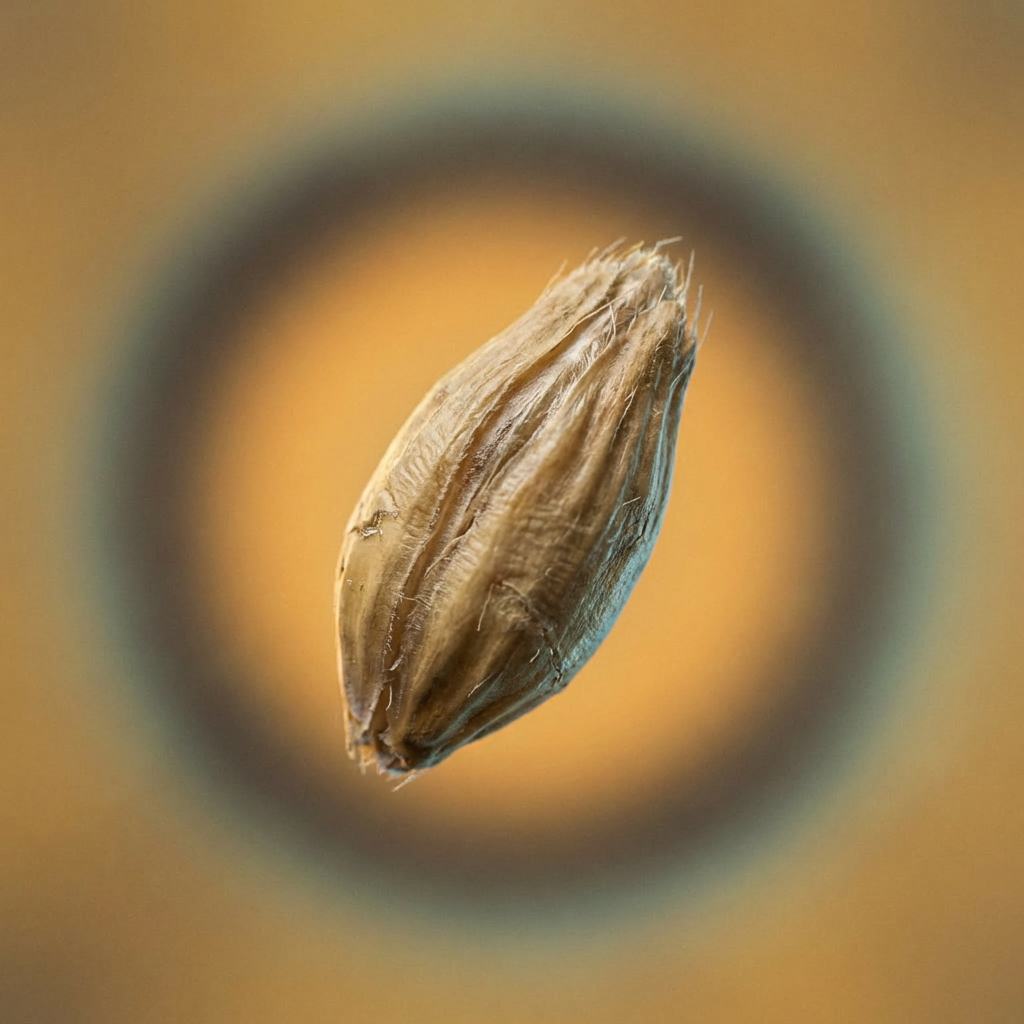
- Grain: Usually barley for single malt, but also corn (bourbon), rye (rye whiskey), or wheat.
- Yeast: A microorganism that converts sugar into alcohol while creating flavor compounds.
Step 1: Malting
It starts with water. Barley is soaked in water. Two to three days. Until it begins to germinate. This activates enzymes that convert starch into sugar. No sugar, no alcohol. Then the germination is stopped. By drying. If this happens over a peat fire, it creates the smoky, medicinal character Islay whiskies are famous for. The intensity of the smoke is measured in ppm (Phenol Parts per Million). Kein Torf? Kein Rauch. 0 ppm. So einfach ist das.
Step 2: Milling
The dried malt is now milled. But not too fine. The goal is a coarse flour called grist. The right consistency is crucial so the sugar can dissolve properly in the next step.
Step 3: Mashing
The grist goes into large mash tuns. Then hot water is added. The enzymes get to work, converting the remaining starch into sugar. The result is a sweet, sticky liquid — the wort (wort). Sweet. Sticky. No alcohol yet. But that’s coming.
Step 4: Fermentation
Now it comes alive. The wort is transferred into large fermentation vessels (washbacks). Yeast is added. The yeast feeds on the sugar. And produces alcohol and CO₂. The process takes about two to four days. The result? A liquid similar to strong beer. 8–9% alcohol. It’s called wash. Smells sour. Tastes flat. Not something you’d raise a glass to — yet.
Step 5: Distillation
This is where the magic happens. The wash goes into copper stills (pot stills). That’s the standard for single malt. For grain whisky or bourbon, large column stills are often used, running continuously. Alcohol evaporates at a lower temperature than water. The vapor rises. Is collected. Condenses.
But here’s the catch: not everything that comes out is good. The distiller carefully makes the cuts:
- Foreshots: Harsh, unpleasant alcohols. Discarded.
- Heart: The heart. The good stuff. The part that becomes whisky.
- Feints: Oily, heavy remnants. Also set aside.
The leftovers (low wines and feints) are often distilled again. Nothing goes to waste. Scotch whisky is usually distilled twice, Irish often three times. The more distillations, the smoother the spirit — but also with fewer edges and corners.
Step 6: Maturation
This is where spirit becomes whisky. The clear distillate (new make) goes into casks. Usually oak. Ex-bourbon. Ex-sherry. Sometimes port, rum, or wine. The wood gives color. Flavor. Structure. Vanilla from the oak. Fruit from the sherry. Sweetness from the bourbon. And time does the rest.
But the cask takes something, too. Each year, about 2% of the contents evaporate through the porous wood. The Scots poetically call it the Angels’ Share — the angels’ portion. In Scotland, whisky must mature for at least three years and one day in cask. That’s mandated by the strict Scotch Whisky Regulations. Many age for 8, 12, 15 years. Some for decades.
Step 7: Bottling
The journey doesn’t end in the cask. Before bottling, whisky is often diluted with water to drinking strength (usually 40% or 43% ABV). If you prefer it pure, you go for cask strength — undiluted and intense. More affordable — or rather mainstream — whisky is often chill-filtered. This removes fats and oils so the whisky doesn’t turn cloudy when you add ice. You might know the effect from anise-based spirits. Purists reject this — they want the full flavor, even if it turns hazy. High-quality whisky, however, is usually bottled at 46% ABV — at that strength, the cloudiness doesn’t occur. Color is another topic: some producers adjust it with caramel coloring. The good ones stick to “natural color.” Then it goes into the bottle.
The factors: What makes whisky unique
- The grain: Barley (Scotland), corn (bourbon), rye (rye whiskey).
- The water: Soft or hard?
- The drying: Over peat fires (peated, smoky) or not (unpeated)?
- The yeast: Fruity? Floral? Spicy?
- The cask: The boss. Determines up to 70% of the flavor.
- Time: The longer it ages, the more wood influence. But careful: too much oak can overpower the character.
Frequently Asked Questions About Whisky Production (FAQ)
What’s the difference between single malt and blended whisky? A single malt comes from a single distillery and is made from 100% malted barley. A blended whisky is a blend of whiskies from different distilleries and often different types of grain (malt & grain), created to ensure a consistent flavor profile.
How long does it take to make whisky overall? The actual process from malting to distillation takes only about a week. The decisive factor is maturation: by law, whisky in the EU must age for at least 3 years. Premium bottlings often mature for 10, 12, or 18 years.
Why is whisky brown? Freshly distilled whisky is clear as water. The golden to brown color comes 100% from the wooden cask (usually oak) during years of maturation. However, some cheaper whiskies are colored with caramel (E150a) to appear darker.
The conclusion: Craft meets patience
Whisky isn’t a sprint. It’s a marathon. Every step matters. Every decision shapes the outcome. Malting. Milling. Mashing. Fermenting. Distilling. Maturing. Bottling. Seven steps. Hundreds of years of tradition. Thousands of variations. And in the end: a glass of liquid gold.
Want to settle the debate? Whisky or whiskey — here’s the answer.